Picture a patch stitched onto a jacket, a cap, or a work uniform. It might be small, but it says a lot about your brand. It tells people who you are, what you stand for, and whether you care about quality. The catch is that not all patches are made equal. The material you choose changes how your logo looks, how it feels, and how long it lasts.
If you’re stuck between embroidered, PVC, and woven patches, you’re not alone. Most brands, teams, and businesses ask the same question before placing their first order. Let’s break down each option in plain language so you can pick the one that fits your brand, your budget, and your audience.
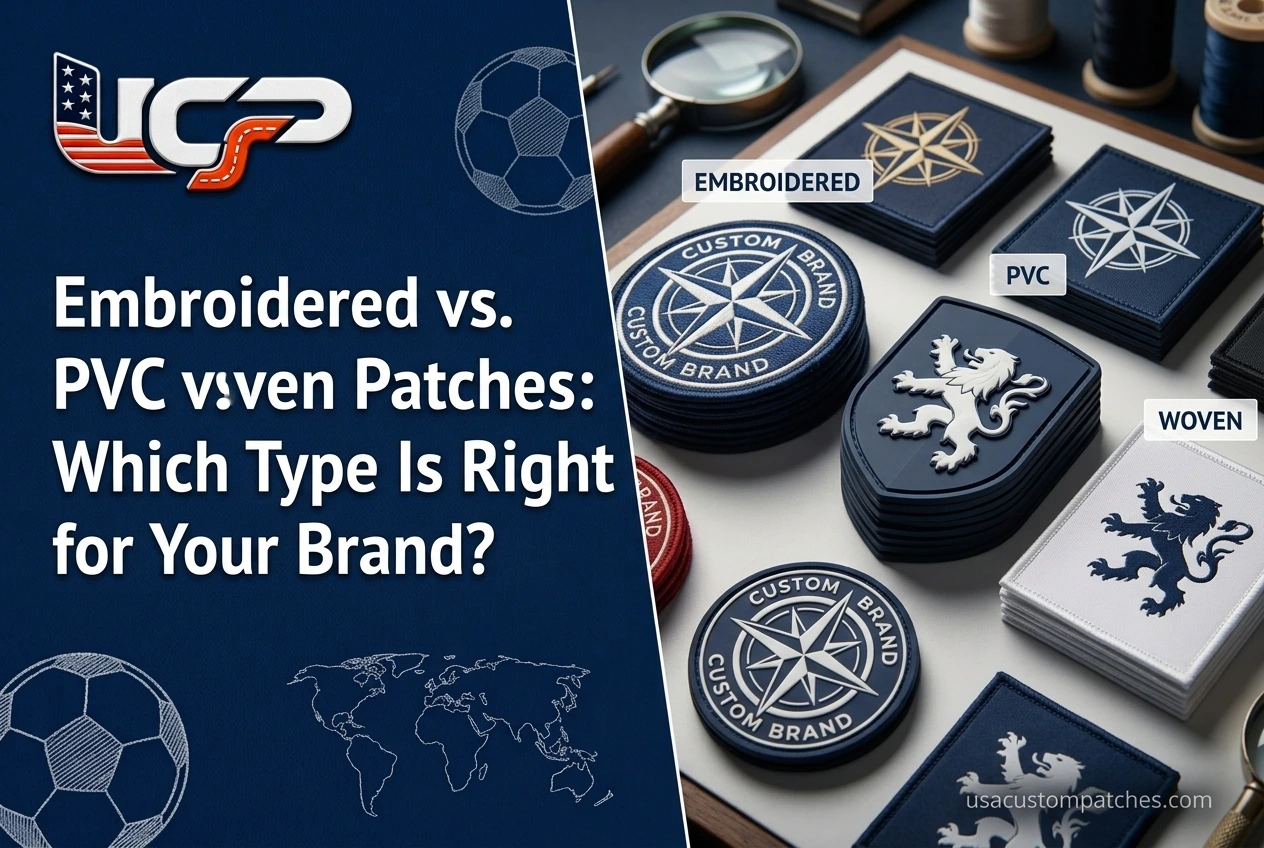
Embroidered patches are what most people picture when they hear the word “patch.” They’re made by stitching thread onto a twill fabric base, which creates a raised, textured look you can see and feel. That tactile finish is a big part of their charm.
Why brands love them:
The trade-off is detail. Because the design is built from thread, very fine lines and tiny text can lose sharpness. If your logo has bold shapes, clear lettering, and a limited number of colors, embroidery will make it shine. If it has delicate gradients or microscopic text, you may want to look at another option.
Embroidered patches are also very budget-friendly for bulk orders, which makes them a favorite for events, employee uniforms, and team merchandise.
Now for the heavy hitter. PVC patches are made from soft, flexible rubber instead of thread. Your design is molded into the material, which gives it a bold 3D look with sharp edges and vibrant colors.
What makes PVC stand out:
That’s why PVC is popular with outdoor gear brands, tactical and security teams, restaurants, fire departments, and anyone who works in demanding conditions. They also give streetwear and lifestyle brands a fresh, contemporary edge that fabric simply can’t match.
The main consideration is style. PVC has a distinctly modern, rubbery look, so it may not suit a brand going for a vintage or traditional feel. But if you want your logo to pop and survive the elements, PVC is hard to beat.
Here’s where small details get their moment. Woven patches are made on a loom using very fine thread, so the design is built directly into the fabric. The result is a flat, smooth patch with crisp lines and impressive detail.
If your logo includes small text, intricate artwork, or complex shapes, woven is often the smartest way to go. The thread used is thinner than in embroidery, so even tiny elements stay readable. Brands that want a polished, refined look often reach for USA custom woven patches because they deliver that clean, high-definition finish without the bulk.
Best uses for woven patches:
Woven patches are lighter and thinner than embroidered ones, which makes them comfortable on garments you wear all day. The flip side is that they lack the raised texture embroidery is known for. If you want that thick, stitched feel, embroidery wins. If you want precision, woven takes the crown.
Still weighing your options? Here’s a simple way to see how they stack up:
Many buyers start with USA custom embroidery patches because they strike a lovely balance between quality, price, and visual impact. It’s a safe, proven starting point, especially if this is your first custom order.
The best patch isn’t the fanciest one. It’s the one that matches your goals. Ask yourself these questions before you order:
1. Where will the patch live? If it’s going on gear exposed to water, dirt, or heavy use, USA custom PVC patches give you the durability to keep your brand looking sharp. For jackets, caps, and everyday apparel, embroidered or woven will serve you beautifully.
2. How detailed is your logo? Simple, bold designs shine in embroidery. Complex artwork with small text belongs in woven. If you want a bold, sculpted effect, go PVC.
3. What image do you want to project? Classic and trusted? Embroidered. Modern and edgy? PVC. Clean and sophisticated? Woven.
4. What’s your budget and quantity? Patch costs depend on size, colors, and order volume. Larger runs usually bring the per-piece price down, so it’s worth planning your quantity ahead of time.
5. Who’s your audience? A rugged outdoor crowd may love PVC. A fashion-forward audience may appreciate woven labels. A community club or sports team will probably adore embroidered patches.
A little pro tip: send your artwork in a clear, high-resolution format, and don’t be shy about asking for a mockup before production. Seeing your design on screen helps you catch problems early and choose the right material with confidence.
Whether you’re outfitting a small team or launching a full merchandise line, working with a supplier that understands both design and durability makes all the difference. Searching for custom patches USA is the first step toward finding a partner who can guide you through materials, sizes, backing options, and finishing touches, so your patches look exactly the way you imagined.
Think about the backing, too. Iron-on, sew-on, and Velcro options all change how your patch is applied and how long it stays put. Matching the right backing to the right patch type is a detail that often gets overlooked, but it makes a real difference in the final result.
There’s no single winner in the embroidered vs. PVC vs. woven debate. Each patch type has its own strengths, and the right choice depends on your logo, your environment, and your brand personality.
Your patch is a small piece of your brand that travels everywhere your people go. Pick the one that represents you best, and it will keep doing the talking for years.
Ready to bring your design to life? Get in touch with the USA Custom Patches team, share your idea, and let’s turn it into a patch you’ll be proud to wear.
New Order!
Someone from Edinburgh just placed an order!